
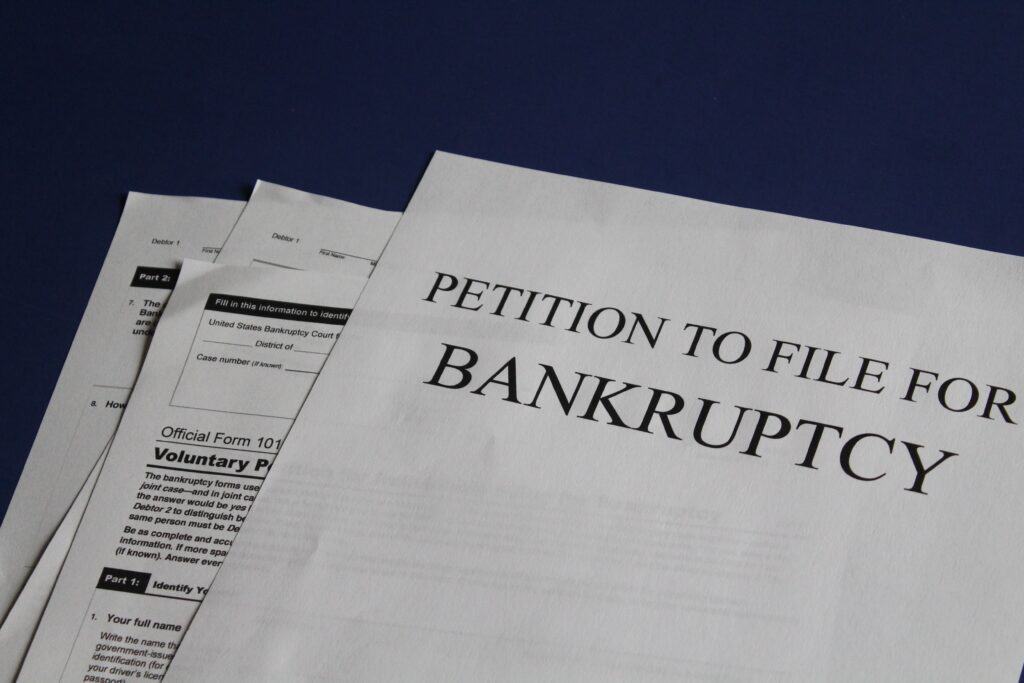
Filing for Bankruptcy is much more than a financial crisis; it is an emotional issue as well. Often, it is as great a loss as a divorce or even the death of a loved one. Going through a financial crisis is rarely an isolated event. It is often precipitated by a medical problem, the loss of a job, or even a marital separation. And it often leads to Depression.
In the United States, an individual’s sense of self-worth can be emotionally connected to the amount of money they have, the type of car they drive or the house they live in. When a financial crisis occurs and our only solution is to file for bankruptcy often we are left with feelings of personal and professional loss and sadness. Some may feel ashamed of having to file. Others are afraid of what their friends and family will say when they find out. Although Bankruptcy is a legal process, often individuals filing begin to feel like criminals.
Often individuals delay for a year or more before they file for bankruptcy. During this time bills have piled up; creditors have repeatedly contacted them by mail and phone. When this begins to occur it is common for people to avoid many seemingly normal activities such as going to the mailbox or answering the phone, for fear of what is waiting for them.
The stress of constant creditor calls and letters may have affected your life and pressured your relationships with the people who you care about the most. In a marriage, it is not uncommon for one individual to be in the dark about what is happening. Often the unknowing spouse’s (“US”) first clue is often when “Dan the Repo Man” calls about collecting one of the cars, or perhaps the bank calls about the mortgage being months unpaid. When a spouse discovers from a complete stranger that they are seriously in debt, they are shocked, frightened and feel as if they have been run into by a freight train. They are caught off guard, usually because bills have been hidden, and their spouse has committed a lie of omission. The “US” is overwhelmed, angry, and possibly terrified. S/he hasn’t had the months of emotional preparation that the “Knowing Spouse” has had. This puts tremendous stress on a marriage. Financial problems are in the top five things that couples argue about. When one individual has lied to their spouse about their financial debt, it can damage the trust in the relationship.
Individuals experience many different feelings and emotions surrounding their decision to file for bankruptcy. They may be experiencing some or all of the following:
*Denial that things are “that bad” that they need to file
*Excessive anxiety
*Tearfulness and extensive sadness
*Guilt or Shame of their circumstances
*Fear of the future
*Excessive humiliation of feelings of being a failure
*Expectation that a “miracle” will occur so they won’t have to file
*Problems sleeping/constant fatigue
*Excessive or intermittent irritability/anger that comes on suddenly for no apparent reason
*Increased drinking, illicit drug use or misuse of medications
Not everyone will experience all of these feelings. Some people feel all of them before they even set foot in an attorney’s office, many don’t begin to digest their feelings until after their 341 meeting with the creditors.
The emotional stress of deciding to go bankrupt and the legal process itself can be overwhelming and extremely stressful on your body, your relationships with loved ones, friends, and your over all emotional well-being.
A year ago I began offering my services to local Denver Bankruptcy attorneys. I even offered a reduced fee to work with their clients. One local attorney was so concerned for the emotional welfare of his clients he decided to include two FREE sessions with me as part of his bankruptcy program (he agreed to reimburse me for the sessions). What was interesting is that none of the men were interested in taking either of us up on the sessions. The women were gung-ho – regardless of whether they knew they had to file for a long time or whether they were the “US.” What does this mean? Could it mean that men prefer to process things internally, alone? Or could it be that society has encouraged women to seek out help and support from friends and professionals, and not feel guilty or humiliated about it.
If you are filing for BK and some of those feelings I listed above seem familiar what should you do? Seeking help from a Mental Health Professional (Psychologist, Psychotherapist, Counselor)during financial stressful times can be extremely supportive. They can help decrease your guilt, increase the positive feelings about being free from debt, and help you begin to look at the reasons you ended up in bankruptcy court in the first place. Understanding what lead us to out current situation can help us to avoid repeating the past. If you or your spouse was not honest about what got you here in the first place a psychologist or psychotherapists can help you look at what caused the breakdown in communication. S/he can create exercises to improve your communication around financial matters. Perhaps one of you doesn’t feel comfortable saying “no” to their spouses financial wishes. By allowing their partner to put things on a credit card that you cannot afford keeps both of you in denial.
This is a recipe for disaster.
Therapy can help you let go of the anger and fear as well as decrease the shame and blame cycle.
“You just had to buy the fancy DVD player.”
“Well, you wanted the new car. A used one wasn’t good enough.”
“You lost your job!”
And fair fighting goes out the window. It is vital that you work through these issues before the bankruptcy so the anger and fear doesn’t outlive the 10 years the BK will be on your credit rating.
As the saying goes…pay now or pay later…but eventually you will pay!
Bankruptcy is legal. Learn how to go through the legal steps from an attorney qualified to assist you. Then see a therapist knowledgeable about the pain, stress and humiliation of going through foreclosure or bankruptcy so that you can put the emotional part of your life back together. You deserve an emotional second chance, as well as a financial one.